
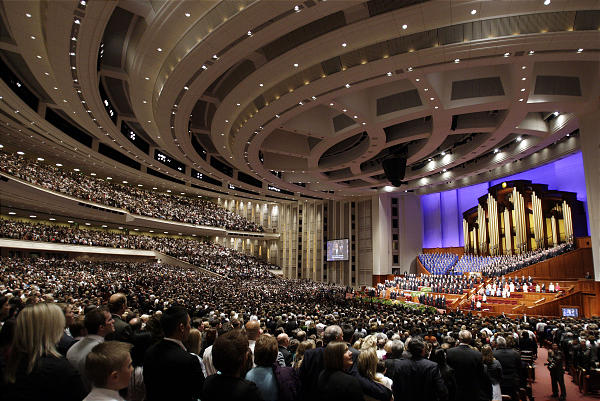
“Yet day after day they seek me
and delight to know my ways,
as if they were a nation that
practiced righteousness…” (Isaiah 58:2)
Do you really want a prophet in our day?
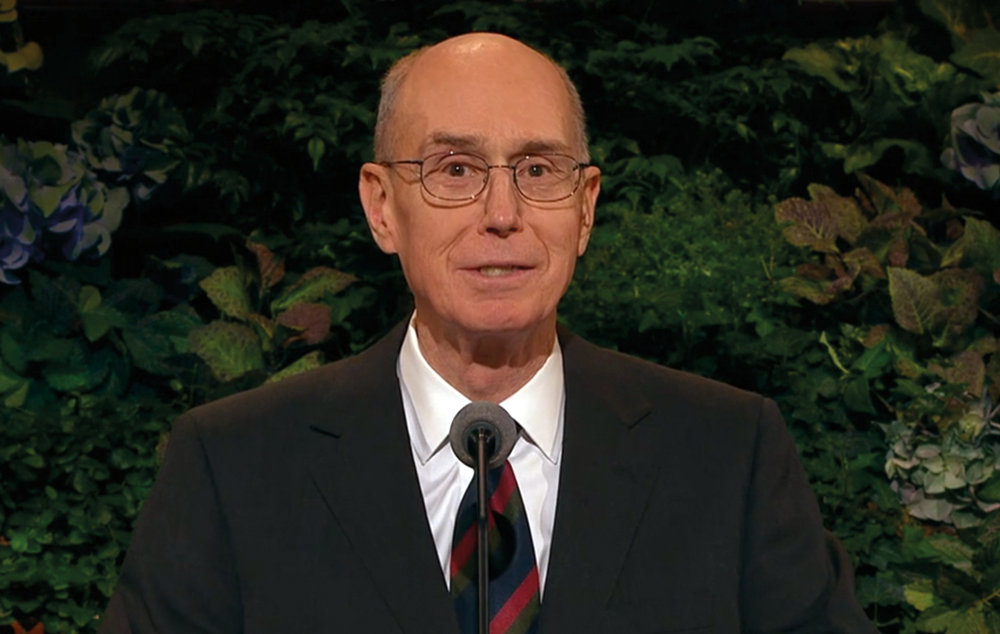
“Woe, sinful nation,
people laden with iniquity,
offspring who do evil,
children who act corruptly,
who have forsaken the Lord,
who have despised the Holy One of Israel,
who are utterly estranged!
Why do you seek further beatings?” (Isaiah 1:4-5)
There is something to be said for speaking plainly and boldly. Times are tough, might be the only thing we agree on. A prophet’s rhetoric should speak to that:
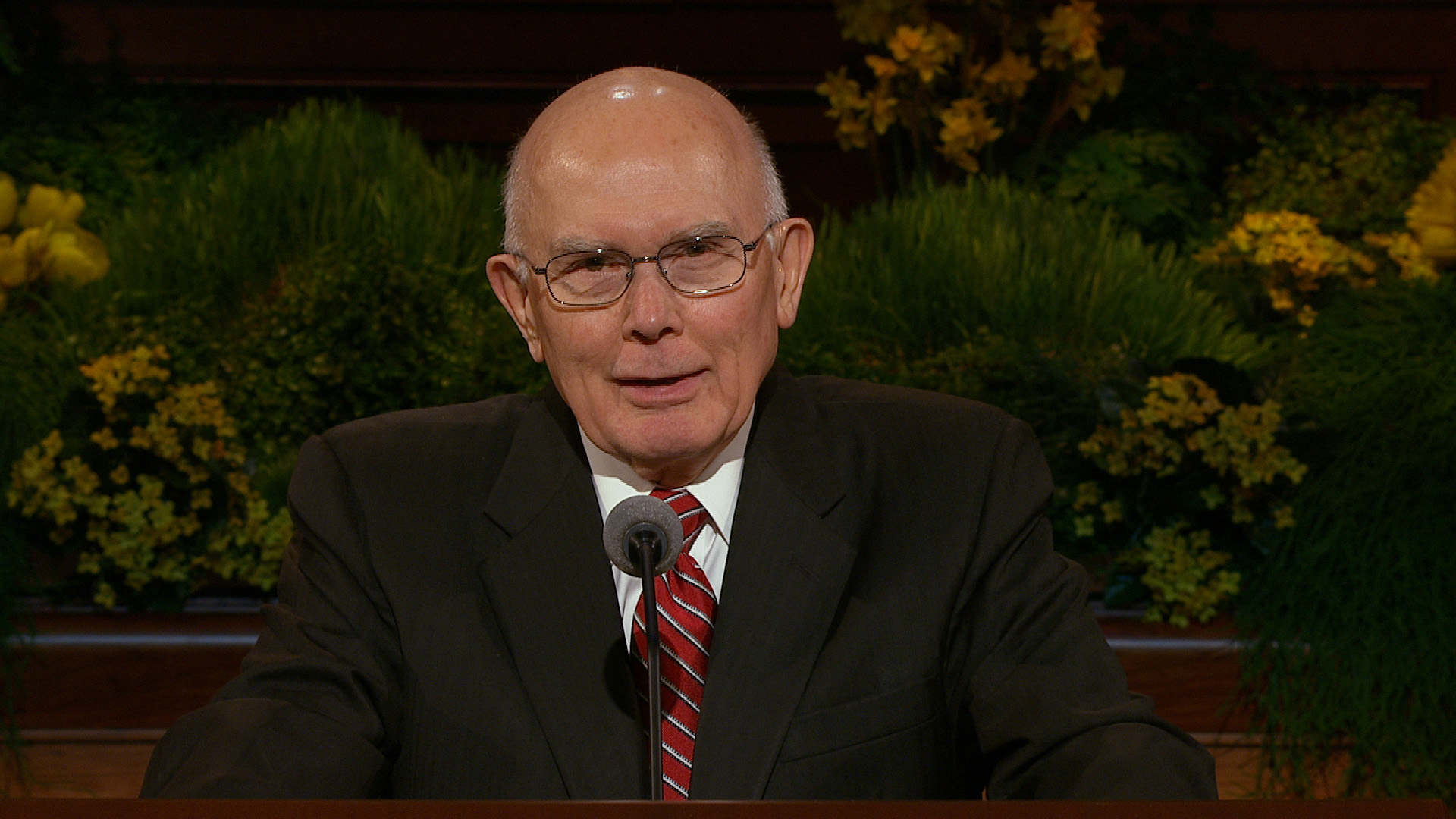
“Your princes are rebels
and companions of thieves.
Everyone loves a bribe
and runs after gifts.
They do not defend the orphan,
and the widow’s cause does not come before them.” (Isaiah 1:23)
If you wish for an authentic prophet, surely they may—of a necessity—employ harsh rhetoric:
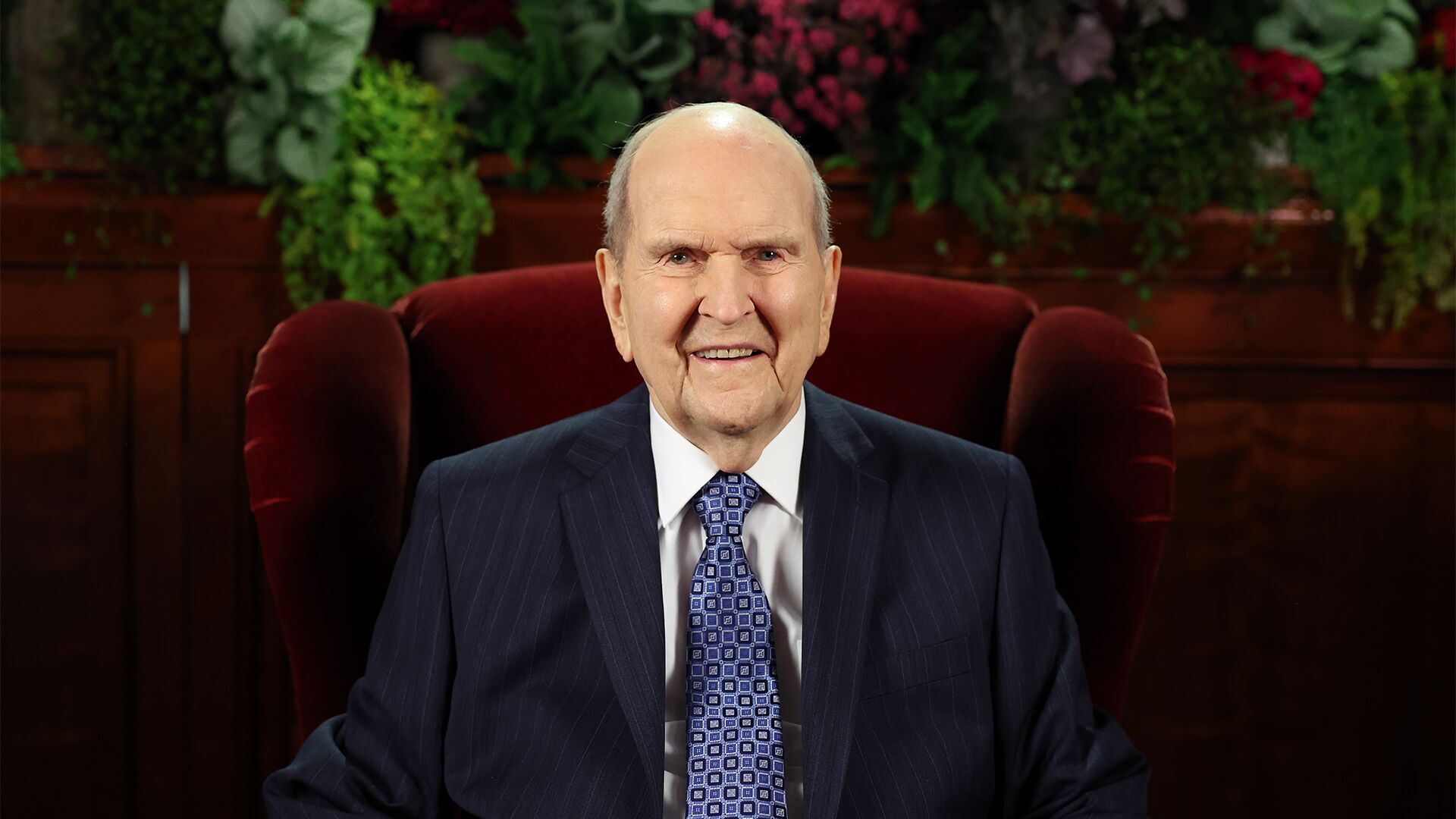
“Through the wrath of the Lord of hosts
the land was burned,
and the people became like fuel for the fire;
no one spared another.
They gorged on the right but still were hungry,
and they devoured on the left but were not satisfied;
they devoured the flesh of their own kindred…” (Isaiah 9:19-20)
Especially in the latter days, a prophet’s words must have weight. Spare us the watered-down PR-savvy stuff. Speak with this voice:
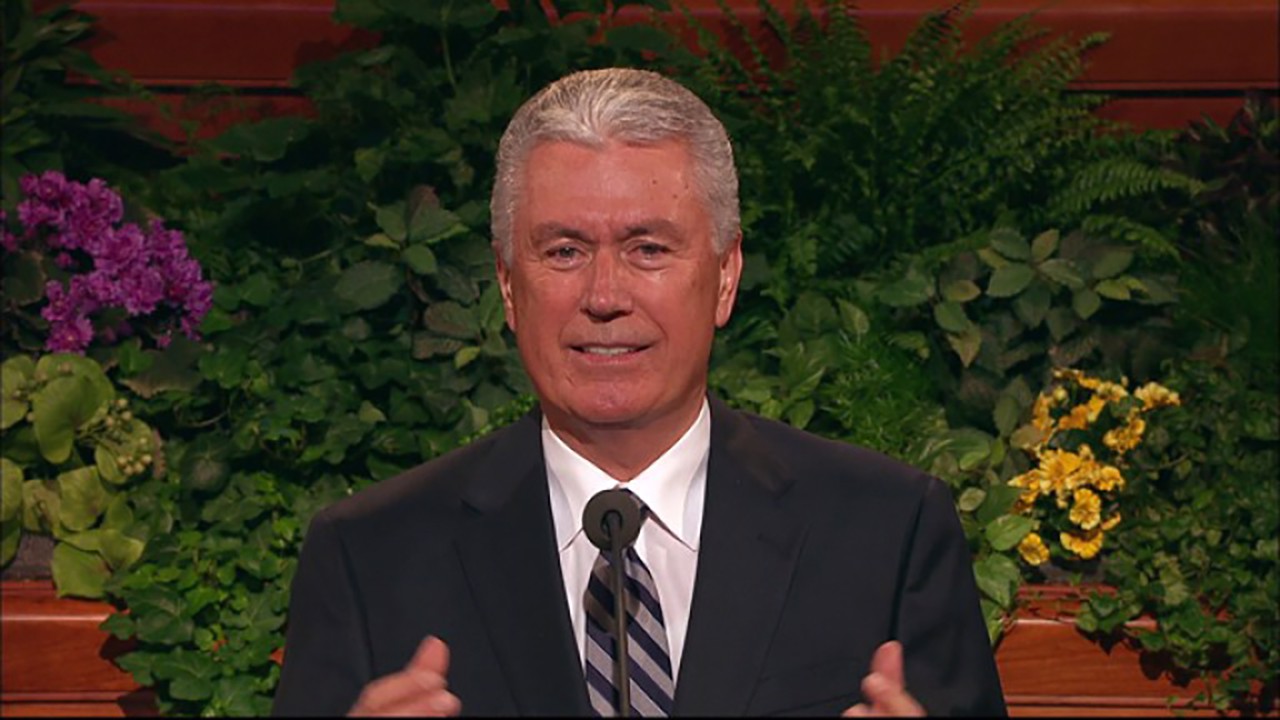
“The spirit of the Lord shall rest on him,
the spirit of wisdom and understanding,
the spirit of counsel and might,
the spirit of knowledge and the fear of the Lord.
His delight shall be in the fear of the Lord.
He shall not judge by what his eyes see
or decide by what his ears hear,
but with righteousness he shall judge for the poor
and decide with equity for the oppressed of the earth;
he shall strike the earth with the rod of his mouth,
and with the breath of his lips he shall kill the wicked.” (Isaiah 11:2-4)
Hmm. Kinda loses me at the end there. But I’ll press the question. What kind of prophets do you want? Do you want them publishing these tidings?
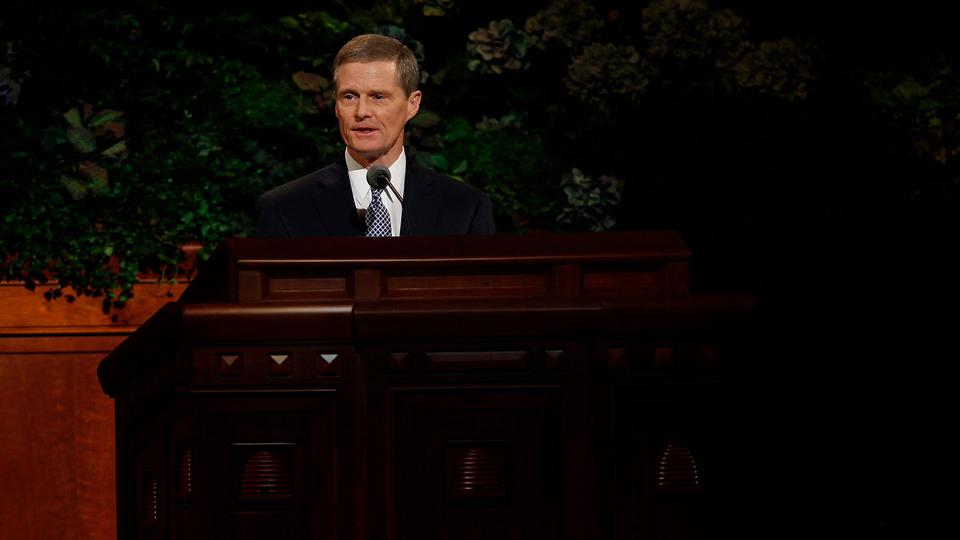
“Therefore I will make the heavens tremble,
and the earth will be shaken out of its place
at the wrath of the Lord of hosts
in the day of his fierce anger.
Like a gazelle on the run
or like sheep with no one to gather them,
all will turn back to their own people,
and all will flee to their own lands.
Whoever is found will be thrust through,
and whoever is caught will fall by the sword.
Their infants will be dashed to pieces
before their eyes;
their houses will be plundered
and their wives raped.” (Isaiah 13:13-16)
From whence comes such cursing? Why wish such fates on anyone? Simple. National interests, and the fervent desire of religious institutions for a political climate conducive to their preservation. Thus said a prophet anciently… or yesterday… or tomorrow:
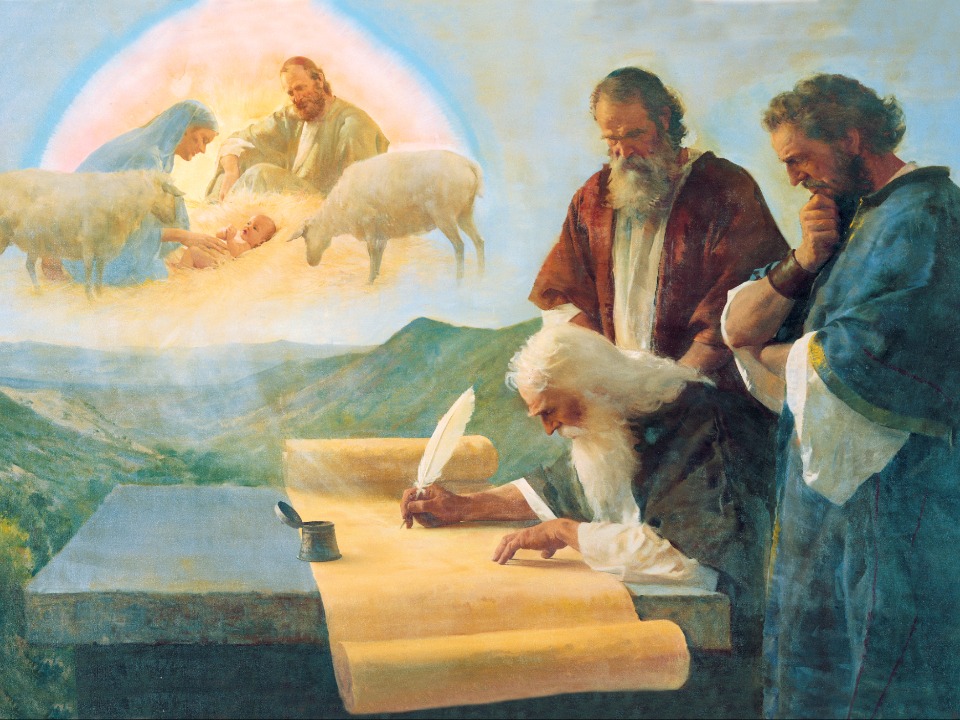
“But the Lord will have compassion on Jacob and will again choose Israel and will settle them in their own land, and aliens will join them and attach themselves to the house of Jacob. And the nations will take them and bring them to their place, and the house of Israel will possess the nations as male and female slaves in the Lord’s land; they will take captive those who were their captors and rule over those who oppressed them.” (Isaiah 14:1-2)
I know, I know. I’m cherry picking verses, probably taking it all out of context. We can bash over scripture ad nauseam, but can we at least agree on one thing? Especially as Easter approaches, let us remember what is most important—let us strive to achieve a personal relationship with our Lord and Savior:
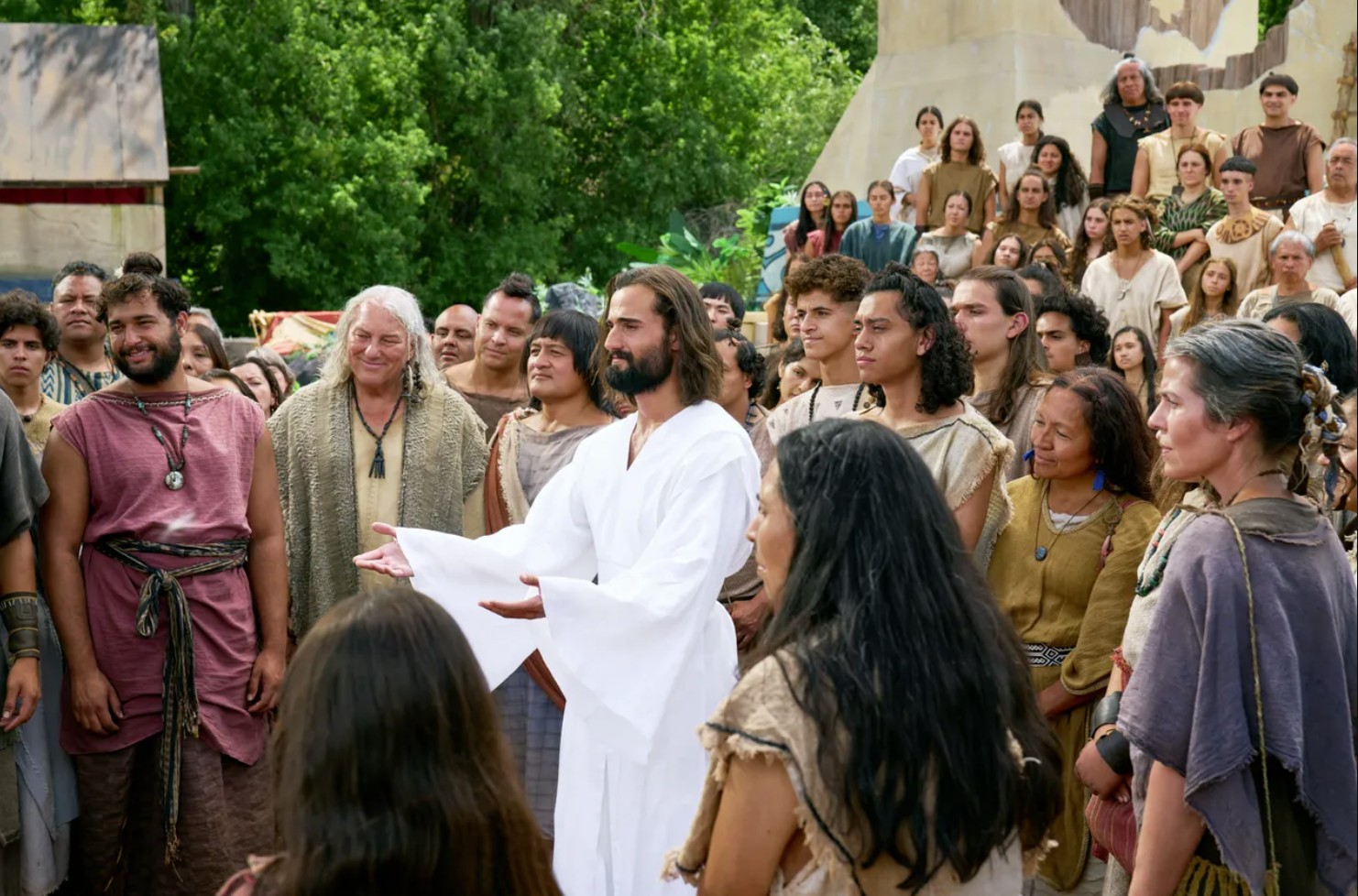
“Whereas you have been forsaken and hated,
with no one passing through,
I will make you majestic forever,
a joy from age to age.
You shall suck the milk of nations;
you shall suck the breasts of kings,
and you shall know that I, the Lord, am your Savior
and your Redeemer, the Mighty One of Jacob.” (Isaiah 60:15-16)
Obviously, none of the above quotes come from the people in the images. They come from the 2-3+ writers of the Book of Isaiah in the Old Testament of the Bible. Safe to say none of them will be using such rhetoric from the pulpit in General Conference. Though, some may say, if only we had the actual prophet Isaiah here today to guide us…
I guess we’ll just have to settle for leaders who are fond of quoting him.
Notes and Questions for Discussion
For my Lenten reading this year, I revisited the Book of Isaiah, reading all of it, annotating and contemplating as I went. I found it routinely disappointing, spangled with red flags of nationalism, vengeance, and prosperity gospel rhetoric. Yet, I also found the poetry mesmerizing, worthy, and often wonderful. There are clear messages of hope and support for people who’ve been displaced and suffer poverty. Isaiah chapter 58 still resonates. I reread it a couple of times aloud.
What are the attributes of your ideal prophet? Why? What are your thoughts on Isaiah? Or, heck, maybe this next question will be fun:
In the hymn, We Thank Thee, O God, for a Prophet, Latter-day Saints sing for the wicked to be smitten. What forms of smiting would you prefer?
Quotations in this post are taken from the New Revised Standard Version Updated Edition, available to read free on Bible Gateway. Images were accessed from The Church of Jesus Christ of Latter-day Saints website.


If we think Isaiah is rough, Jeremiah is quite unpleasant on occasions as well. I do enjoy the prophets of the O.T. in context. They were absolute sticklers on the social justice aspects of the Law, but gave little attention or even diminished the ritualistic aspects. In modern terms, they could’ve cared less about temple attendance and emphasized how the poor and diminished were treated.
I think often of Spencer Kimball’s 1976 Ensign article The False Gods We Worship. In it he took on militarism, materialism, and even diminished respect for God’s creation (environment).
I cannot speak to this subject nearly as well as the prophet Abinadi. Here are Abinadi’s words from the Book of Mosiah chapter fifteen:
10 And now I say unto you, who shall declare his generation? Behold, I say unto you, that when his soul has been made an offering for sin he shall see his seed. And now what say ye? And who shall be his seed?
11 Behold I say unto you, that whosoever has heard the words of the prophets, yea, all the holy prophets who have prophesied concerning the coming of the Lord—I say unto you, that all those who have hearkened unto their words, and believed that the Lord would redeem his people, and have looked forward to that day for a remission of their sins, I say unto you, that these are his seed, or they are the heirs of the kingdom of God.
12 For these are they whose sins he has borne; these are they for whom he has died, to redeem them from their transgressions. And now, are they not his seed?
13 Yea, and are not the prophets, every one that has opened his mouth to prophesy, that has not fallen into transgression, I mean all the holy prophets ever since the world began? I say unto you that they are his seed.
14 And these are they who have published peace, who have brought good tidings of good, who have published salvation; and said unto Zion: Thy God reigneth!
15 And O how beautiful upon the mountains were their feet!
16 And again, how beautiful upon the mountains are the feet of those that are still publishing peace!
17 And again, how beautiful upon the mountains are the feet of those who shall hereafter publish peace, yea, from this time henceforth and forever!
18 And behold, I say unto you, this is not all. For O how beautiful upon the mountains are the feet of him that bringeth good tidings, that is the founder of peace, yea, even the Lord, who has redeemed his people; yea, him who has granted salvation unto his people;
If RMN spoke out against Trump’s tariffs even I would say thank you.
Interesting, Jack. If I was going to make a one-to-one comparison of any prophet in the Book of Mormon with Isaiah, I would choose Abinadi. His social defiance, his unapologetic railing against the wicked, his resulting fate at the hands of the ruling class, all resonate. Perhaps most importantly for me, I find them both to be champions of strict monotheism. Neither leaves any room for polytheism. There is one god, and beside that god there is no other.
I think Abinadi is a fine name to drop into the comments here. Prophets can be spokesman for the pursuit of peace. I’m all for that as long as it doesn’t lead to hero worship, which to me is just idolatry by another name.
Old Man, thank you for citing the late President Kimball’s Ensign article. It is full of many of the great themes of Kimball’s problematic ministry. Such a thoughtful, well-versed speaker. On the downside, he repeats his and the other Brethren’s frequent practice of demonizing homosexuals by placing them next to murderers in the list of worst sinners. That’s just plain unenlightened. Also, his remarks boil down to securing more institutional loyalty and contributions of money and work from members, and winds up shaming retirees at one point. But… then he gives us gems like this:
“We are a warlike people, easily distracted from our assignment of preparing for the coming of the Lord. When enemies rise up, we commit vast resources to the fabrication of gods of stone and steel—ships, planes, missiles, fortifications—and depend on them for protection and deliverance. When threatened, we become antienemy instead of pro-kingdom of God; we train a man in the art of war and call him a patriot, thus, in the manner of Satan’s counterfeit of true patriotism, perverting the Savior’s teaching:
“Love your enemies, bless them that curse you, do good to them that hate you, and pray for them which despitefully use you, and persecute you…”
Full article link follows. I swear if the Church is going to continue building its curriculum around conference talks, they really ought to go back further than six months:
https://www.churchofjesuschrist.org/study/ensign/1976/06/the-false-gods-we-worship?lang=eng
I think people who find authoritarianism appealing also find the concept of prophets appealing. They look for one unquestionable source to tell them what’s right, what to fear, what to do, what not to do. I don’t get it, but it certainly seems like something a large portion of people want.
To answer this question, I must refer to the new television production, House of David. There is a scene in this production in which Samuel the Prophet picks up a sword and slices of the head of an enemy king.
Can you image a Prophet today with the physical strength to chop off a king’s head? Or a Prophet with the bravery to stand up to two kings at once, without hesitation?
Oh that we had a Prophet like Samuel today. That would be a Prophet worth giving Thanks for.
josh h: Exactly!!! If we had a prophet that would challenge anything MAGA.
John Charity Spring, I appreciate you clarifying in your second paragraph that the prophet Samuel indeed removes the wicked king’s entire head. The typo in your first paragraph, “slices of the head,” had me picturing the prophet removing only a portion of the king’s noggin—y’know, similar to how they serve up prime rib at a buffet restaurant’s carving station. In any case, I knew I could count on you to move the ball forward on my question regarding best practices in smiting the wicked. Though I am reminded that in Old Testament times the penalty for sarcasm was death by bear attack 😳🐻
Happy general conference weekend, everybody. Thanks for your comments!
I’ll say one thing about the OT prophets (or whatever later scribe was writing as a specific prophet) – at least they spoke propheticly. Yes, there’s some nasty, violent, xenophobic stuff in there, but the overarching prophetic message of the Hebrew Bible is justice for the oppressed and the marginalized in society against the power structures that are causing it. I watched the Saturday morning session and so far nothing prophetic in the biblical sense. There were several nice talks focused on Jesus (with the typical Mormon gatekeeping but no real complaints), but nothing calling out the Trump regime for say, violating innocent migrants’ constitutional rights and sending them to concentration camps in El Salvador. It seems to me that DHO has a real opportunity this weekend to flex his prophetic and constitutional scholarly muscles. I’m not holding my breath, but remain hopeful.
I think it is worth asking a couple of questions. First, what is a prophet? Second, what is the purpose of a prophet? Notice how in the NT, mentions of prophets refer to 1: writers of the OT, the Nevim, such as Samuel and Daniel and 2: to random preachers who appear to have no formal recognition in any sort of larger organization. For instance, Acts 11:27 mentions that prophets came down from Jerusalem to Antioch. There, it appears that there is more than one prophet at a time and that a prophet is simply a sort of missionary or itinerant preacher. In Luke 2:36-38, Anna is mentioned as a prophetess who testifies of Jesus. Prophets could be female in the NT as well as the OT. There could be false prophets such as Bar-Jesus. There really is no evidence that the organization of the early church under Jesus’s apostles had a prophet at the head. Early Christianity was traveling preachers, with some of them having more influence than others in building communities, particularly Paul, who is never recognized as any sort of apostle. The second century of Christianity consisted of mentors and students, with the students becoming mentors themselves, and some mentors gaining clout and influence in a particular community. Christianity fragments from the beginning. Jesus did not promote himself to be a political leader, nor did he lay out any clear vision of succession for his movement.
To answer the second question on what the purpose of a prophet was. In the OT a prophet was a religious thinker who claimed to communicate with the patron God of Israel YHWH and dictate rules. These rules get written down and lay the basis for a tradition which the community then lives by. Prophets in the OT predict the future, interpret the past, and communicate with God. In the NT, a prophet appears to be no more than a preacher communicating Jesus’s words. In the modern Mormon church, it is unclear what purpose a prophet fills other than someone who maintains tradition in the community. Is there any evidence that a prophet has accurately predicted the future in any meaningful or significant way? No. Have prophets given insight into the past that can either be verified or couldn’t be arrived at by common reason and evidence? No. Do prophets give advice that is on a level of profoundness beyond what many professional moral philosophers and psychologists give? No. Honestly, I look to professionals more for advice on how to improve my life than prophets. A big question: do Mormon prophets write their own conference talks? Do they have a ghost writer take care of that? Do they have other people edit and review what they say? If that’s the case, then doesn’t that sort of undermine the idea of a prophet? Isn’t the prophet supposed to be the sole vessel of revelation and not a board of editors and writers? The Mormon prophet is really nothing more than a sort of figurehead that followers hero-worship who maintains tradition. When Thomas Monson passed, I remember all the heaps of praise upon him. Seriously, what did he really do? Were his talks all that great? Were they all that profound? Wasn’t he just trotting out a lot of the same old stuff that Mormon leaders had long said? Mormon followers just need a hero to worship. Never mind why the hero is a hero. The hero is simply a hero because he rose to the top. How? The hero was connected with prominent Mormon families and won a sort of appointment lottery system. They were appointed young which enabled them to gain more years of seniority than others. And they rose because of the traditions of succession in the church which dictate that the apostle with the most years of experience becomes the next prophet. Is that prophet anything more than a figurehead? Not really. Nelson has made some administrative changes. But most of these are quite small and insignificant. Can’t say Mormon anymore. Slight adjustments to temple ceremony. Two-hour church. Really. The prophet isn’t all that significant. When I think of who the great and inspiring minds are of today, no prophet is on that list.
josh h is right on. I’ll add that the Pope Francis has had a much larger impact on global issues, even warning about climate change among many other issues, than any Mormon prophet. The biggest social fight that a Mormon prophet has ever engaged in has been the fight against legalized same-sex marriage. And what an utter flop that was. Same-sex marriage is now so mainstream that even MAGA won’t take it on.
Hawkgrrrl, I find it ironic that some of the folks who shout freedom the loudest are the ones who leap to an authoritarian to install that so-called freedom. In the religious context, prophet-lovers often claim their promotion of prophet-worship in the name of some so-called freedom when their form of prophet-worship is anything but. Seeming more like authoritarianism instead.
Brad D asks whether “Mormon prophets write their own conference talks?” As readers will remember, members of the First Presidency used to write a message in the first pages of the Ensign. That stopped a few years ago. I learned some time later that the First Presidency members didn’t write their own talks; they were written by Ensign staff. I actually believed that the messages each month were the considered message prepared for that purpose. I knew that some FP messages were re-purposed talks from a stake conference or a BYU address, but I assumed that the FP member did the re-purposing. I felt deceived. EVen if the messages were uplifting, timely, and pertinent, they were not what they were advertised to be.
Brad D,
I think of Noah preaching repentance to the people some one hundred years before the flood came upon them. To them it must’ve sounded like he was preaching the same old boring stuff over and over. But even so, the flood did eventually come and take them all away.
Jack, are you saying that a purpose of prophets is to tell people to behave a certain way in order to avoid incurring the wrath of God on them who will hurt them through natural disasters? If that’s the case I don’t find prophets very useful. Natural disasters aren’t the product of vengeful deities punishing sinful people. Science has revealed as much. Because of science we know a lot more about natural disasters than we used to and have been able to mitigate their disastrous effects and prevent death and suffering in some places. However, science is calling on humanity to repent, not by ceasing certain sexual practices (as is by some interpretations believed to be the cause of the mythical Great Flood), but by ceasing the release of so much carbon dioxide into the atmosphere in order to avoid more widespread climate catastrophes. Never once did I hear a prophet or any prophet-like spiritual leader warn about climate change before climate scientists began warning about this. But I wish David McKay or Spencer Kimball warned about this and told people to curb the mass release of CO2. But they didn’t. Instead all their warnings were about submitting to Mormon norms and ways of living of the time lest God cause earthquakes and hurricanes, etc. Now it is common place for women to with outside the home and for LGBTQs to choose the partners they are oriented towards and marry them. Have more hurricanes and earthquakes happened because of that? No. The prophets were rather useless in that regard.
Dudes! Are you even reading the same book of Isaiah that I am? There’s a reason that the OT books of the prophets are so beloved in liberation and civil rights theologies. They’re about overturning the social order and destroying heirarchies. The wicked are rulers who opress their people, the rich who get richer at the expense of the poor, and priests who enrich themselves by taking advatnage of the faith of others.
Hi Jen B. I think my concern is that Isaiah’s god offers social justice for only one group, provided they submit utterly to him. More troubling still, he pledges to provide them social justice by having Babylon’s women raped and their children killed. I’m really hoping I don’t have to clarify why Isaiah’s imagery is disgusting.
Now, if the comeback is, Jake these passages you’ve quoted are just metaphor and hyperbole, then okay. I think they are ugly and inflammatory metaphors. I want something better. The mere fact that a text offers social justice is not enough. How do the authors want to get it, and on whom do they wish to bestow it?