
The Salt Lake Trib carried a story last week, “LDS apostle speaks out against online anonymity, calls it spiritually dangerous.” This merits some discussion, fellow online posters and commenters. The article comments on a devotional for LDS YSA delivered by Elder Cook at the beginning of November. (He titled it, “Be a Light.”) I’ll focus on the Trib article and offer some of my own reflections on the use and abuse of anonymity.
From the article, quoting Elder Cook: “Hiding in the darkness of anonymity to say unkind or cruel things about another individual is incompatible with being a light. It is the opposite of letting your light shine.” No argument. Don’t say unkind or cruel things, whether you are being anonymous or not. The article also notes: “Cook encouraged members to steer clear of online and in-person anonymity, and be peacemakers.”
And a final quote: “He decried those in mobs who mask their faces or use face paint to hide their identity, while committing mob violence.” Again, no argument. He did not draw the obvious connection to how ICE is operating in our cities and towns.
A quick comment and response. First, Elder Cook’s talk (linked above) is better than the article. Give it a listen if you have 40 minutes (27 minutes if you listen at 1.5x). The discussion of the abuse of anonymity is about five minutes in the middle of the talk, linked closely to hiding one’s identity to perpetrate violence or to say nasty things about others online. He could have given the whole talk about being a light and practicing kindness without any reference to anonymity — the overarching theme of avoiding ugly rhetoric and being kinder in civil society is a good one. Reading between the lines, I think what triggered that short discussion was seeing the kind of ugly comments LDS members leave at the Deseret News and other Utah media sites. There was little reference to social media and none to blogs. So if there’s a problem, it’s not us (you, me, and other bloggers and commenters and readers) that is the problem.
A second comment. There was no indication in the talk that sometimes there are good reasons for people to practice anonymity. Governments set up whistleblower programs in which employees in the government or in some industries can report unlawful activity and do so anonymously to avoid having their jobs or their safety threatened. Law enforcement uses confidential informants to gather intelligence on criminal activities, with “confidential” being a necessary part of the arrangement for obvious reasons. And, closer to home, many Latter-day Saints who participate in online discussions about LDS history, doctrine, and practices do so anonymously to avoid conflict with friends or family, or even LDS disciplinary actions from local leaders. If Mormon culture and practice were not so judgmental and allergic to serious discussion, people would not be so leery of having open discussions using their real names.
A third comment. The Church uses all kinds of anonymity. Church manuals don’t come with any indication of who drafted, edited, or approved the material. The LDS Gospel Topics essays carry no names, either of LDS leaders who reviewed and approved the essays or of the LDS scholars who provided the research and submitted initial drafts. I sure wish we had a better idea of who was authoring these LDS materials. It would, in many cases, make the lessons, essays, and talks more credible. If showing who actually wrote or edited the materials would in fact make them *less* credible … well, then we really deserve to know, don’t we? Using anonymity to create undeserved credibility for LDS materials would plainly be an abuse, not a legitimate use, of anonymity.
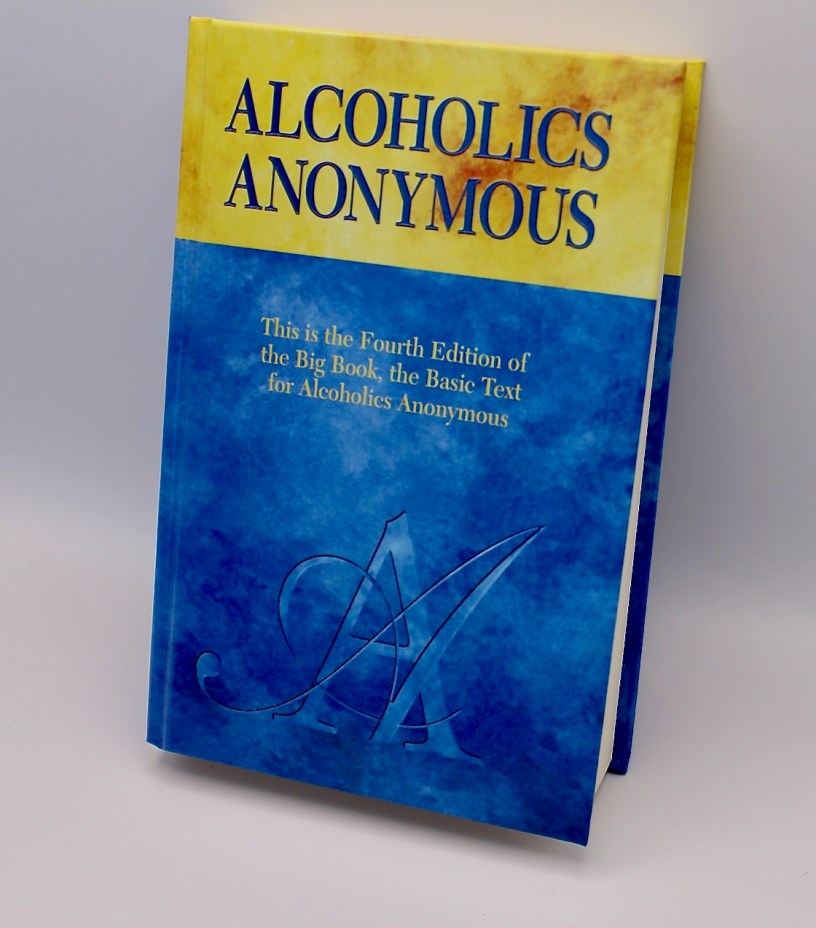
So yes, there are both uses and abuses of anonymity. The image at the top of this post, of the Alcoholics Anonymous handbook, is just one more example of a positive and productive use of anonymity.
So make a comment using any name or handle you want, as long as you follow blog rules of not making nasty remarks about other commenters.

