


As I write this, my house smells like bread. Specifically, it smells like molasses sourdough bread. I love bread. I make it a couple times per month. See, what happened is I have a fussy eater, and one of the only things he would eat is my homemade wheat bread (not sourdough). That was much healthier than anything else he would eat, so I make him bread. He still eats it almost every day.
I learned to make sourdough bread back when I was attending the Church’s support group for the wives of porn addicts. Before the meeting, we all chatted with each other, and one week someone brought a book they’d bought at Deseret Books.
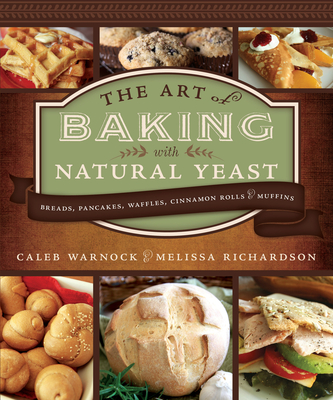
The Art of Baking with Natural Yeast is all about sourdough baking. We traded sourdough starts and compared failures. My sourdough start died twice. Fortunately, Amish Friendship Bread was going around my ward and when I got a bag, I wondered if I could turn the sweet, milky Amish Friendship Bread sourdough start into regular wheat sourdough bread starter. That worked! I added wheat flour and water to the start rather than white flour and milk and sugar. It took a few generations (of starter) but within a couple months, I had sourdough bread starter. I keep mine in a nasty looking pint jar and clean it out every four months or so. It’s supposed to look like that.

At first, I was more interested in the pancakes and waffles. (Full disclosure — my first attempt at sourdough bread failed.) While learning to keep my sourdough start alive, I kept baking bread with quick yeast for my son. Quick yeast is the stuff you buy at the stores.

I grew up baking bread. I was raised in a very traditional home. While my brothers learned how to use power tools, I learned to bake bread. I started helping with bread when I was old enough to see over the counter, and by the time I was twelve, baking six loaves of bread was my Saturday morning chore.
My mom didn’t grow up baking her own bread. She learned from her mother-in-law, my grandma, after she got married and my father wanted homemade bread. My grandma raised her children in the farmhouse built by our pioneer ancestors who walked across the plains and followed Brigham Young’s instructions to yank a civilization out of the Utah dirt. My father grew up in that house. My grandma baked all her bread in a wood-burning stove.
Grandma wouldn’t have grown up using quick yeast. Fleischmann’s developed their yeast during World War II, when there wasn’t time to bake sourdough bread. Sourdough bread takes a couple days to bake, since most recipes tell you to let it rise overnight. Sourdough starter isn’t sold in stores. You get it from your neighbors. If you read an old book, and it mentions “borrowing a start from the neighbor” that means you got some sourdough starter from your neighbor. If the book says someone “set the sponge for the next day’s baking” that means someone mixed flour and water into sourdough starter and set it to rise overnight.
Grandma would have used some type of sourdough starter for most of her adult life. The recipe she taught my mom would have been developed after my father was born.
I wonder how sourdough starters came across the plains. Brigham Young’s list of supplies said to bring flour. Sourdough starter isn’t specifically mentioned. Maybe it didn’t have to be. It was just part of the kitchen supplies – that little crock of yeast that tucked in next to a bag of flour. While crossing the plains, it would have been used for flatbreads and pancakes. You can’t jostle a loaf of bread that is raising (or proofing). It deflates. You have to hold still to let bread proof.
Bread is part of my family history. I wonder what my grandma would think of the fact that I learned to bake bread using her bread recipe, and then learned how to bake sourdough bread out of a book.
My loaf of garlic asiago sourdough bread was entirely eaten before it even cooled. My molasses sourdough bread isn’t as popular (go figure). The preferred toast in my house is my quick yeast wheat bread.
Last week, my teenager made his first batch of bread. It looked weird and didn’t rise (he used cool water instead of warm water so the yeast died). He told me it tastes better than mine. I was so darn proud of him.
Questions:
- Do you have a traditional food in your family? Tell the story.
- Talk about bread. What’s bread like in your home?
- What baking and cooking have you learned from a parent or grandparent?
- What baking and cooking have you passed down?
 Wheat & Tares
My mom always made bread. Big thick slices with crusty crust. We also got scones the evening she made bread. Being stupid kids, we always complained about the bread, and wished we could have the nice smooth store bread!
I grew up on home-baked whole-wheat bread. It was considered healthier and a means to rotate through all of that stored wheat in the basement.
When I got married my wife had a bread machine, which we used at times, but it made weird-shaped loaves that weren’t always suited to what we wanted. So we bought bread from the store as well. Neither of us were super committed to baking it on our own. To splurge we would occasionally buy bread from Great Harvest. As our income grew, that gradually went from luxury to necessity, and for a while it was the only bread we ate. Then 10 years ago we moved to a town that does not have a Great Harvest, and does not have any grocery store bread that was up to our by now somewhat snobby tastes. That’s when I took up bread baking for real. We got a high-end bread machine (Zojirushi, highly recommended), and I started baking. There were definitely some failed experiments, but I feel like I have it down pretty well. I started doing whole wheat sometimes and learned how much harder it is to get right than white bread. I feel pretty good at it now, and it is rare that we buy bread at all, except for some sourdough bought at farmers’ markets.
Those farmers’ market sourdough loaves finally got me to try sourdough baking just this month, in fact. I literally bought a starter on Amazon. The seller mailed an envelope with a plastic bag full of dried out starter with instructions for reconstituting and establishing it, a process that takes several days. It worked fine. First loaf was a bit of a brick, but each one after has been better. Sourdough is a whole new world. It feels like a black art that I’m still apprenticing at.
So, I eventually came around to the family tradition of baking my own bread, but I feel mostly self-taught, and I have no idea whether my kids (college age right now) have any interest in it.
Bread makers here is well. But what I really love is pie. I am a pie snob. I can’t stand the pies at Costco and local stores. But when my wife makes pie… Heaven is closer, angels sing and the entire world is a little better. A couple of years ago, I planted an apple orchard just so we could make more pies. My wife’s pies are so good they should be classified as a gateway drug.
I went through a sour dough phase during Covid but my starter died and now I need to reboot. My mom made mostly crusty sand which bread when I was a kid.
My daughter sold bread to the neighbors during highschool and Sundays our oven was full all day ask she made the 9-10 loved to deliver.
My favorite recipe is still the simple no-knead recipe with a mix of rye and wheat flour.
Flour tortilla’s were a staple in my home while growing up.
My French born mother learned to make them from her friend and house cleaner Esperanza.
I grew up in Arizona on the Arizona/Mexican border so we ate gobs of Mexican food.
A nice warm tortilla with melting butter and honey made a wonderful snack for kids.
I made them for my children all the time as an after school snack.
My Mom also made home made bread while we were growing up and it was delicious but we all loved those home made tortillas better than her bread for some reason.
Former bread maker here. It was one of my favorite things in the world to do.
It’s a delight for all the senses. Nothing’s prettier than a fresh baked loaf with a shiny crispy crust. Kneading it to the smoothness of a baby’s bottom is a tactile joy. I always got a kick from the sound of the crust crackling as it cooled. The smell is intoxicating and of course the flavor is sublime.
But it was too good. I just couldn’t resist it. I had to give up baking or risk adding another 50 pounds.
You migh try this. Australian damper https://jesseatsandtravels.com/damper-bread-australian-soda-bread/
My wife makes homemade whole wheat bread. It’s much more edible now that we use white wheat instead of read wheat. It’s pretty heavy and is a bit of an acquired taste but I love love love it. When it’s grab out of the oven it’s better than cookies.
It’s an order of magnitude more healthy than store bought white bread (but definitely harder to make) but since I’m a health nut it’s my strong preference. My wife also bakes her own rolls, muffins, etc from scratch. I’m almost completely vegetarian but wouldn’t be able to without yummy homemade carbs.
One random quote I remember from my youth is “the whiter your bread the quicker you’re dead” which came from a gem of a food storage talk in sacrament meeting in the 80s.
Thanks for sharing, all.
I’m late to the party, but you asked about traditional food passed down. My grandfather grew up in the late 1800’s and early 1900’s in southern Ohio, just north of the Kentucky border. Being from a family of 13 and poor they ate what they could afford. One of those dishes that was passed down was flat dumplings made in broth from smoked pig hocks. When I think of comfort food I remember learning from my mom how to simmer smoked pig hocks until you had a rich broth. Then removing the meat from the bones and putting it back in the broth. Then, mixing flour and water together with salt, pepper, onion and garlic powders. We would knead the dough for a minute and then roll it out flat and thin. When the broth was boiling we would cut the dough into long narrow triangles and drop them one at a time into the boiling broth. If you did it right the dumplings would be chewy. I loved it when we made this. It brings back special memories for me. Unfortunately, my husband and children don’t feel the same. So , I imagine the tradition will die with me.
My dad gave me this incredible sturdy wheat grinder with stones. He bought it in the late 70s and used it to grind flour for his bread and waffles. I used it for years and years making bread and pancakes and waffles and biscuits etc. But I love my own cooking and I can’t eat bread any more without gaining weight. Plus the wheat grinder got so the stones were worn out. I had to put the four through a sieve to get the cracked wheat out. My dad tried to get it repaired but the person/organization that originally made it has horrible reviews. Apparently they take people’s money and don’t do what they promise. After saying they would fix it they called and asked for money up front and then they would see if they could fix it. My dad wouldn’t pay so now I have wheat and no wheat grinder. I still make wheat rolls for special occasions, but now we have to buy the flour pre ground.
2009-2012 in our small ward the Sacrament bread magically appeared every week – actually the YM pres (me) bought a loaf of white bread every Sunday at a truck stop en route to ward council meetings. I bet Jesus would understand a heart like mine.
Raised in a hippy household with convert Mormon parents. We ate homemade whole wheat bread growing up… ground our own wheat too. I never know if it was their “back to the earth” mentality or Mormonism. Either way I didn’t like it. When we went to my Grandma’s house once a year she would buy us white bread. Ahhh… heaven. Now in my late 40’s I can only eat the densest, grainiest bread I can find.