

There’s a difference in interpretation between how LDS and non-LDS view the statement by Jesus to Peter when he says “Thou art Peter, and upon this rock I will build my church.” While all might agree that there is a play on words between the name “Peter” and “rock,” Catholics consider this scripture as the origin of Papal authority, whereas LDS readers would say that Jesus was referring to “revelation” as the rock upon which He would build His church. So, just what rock was Jesus talking about?
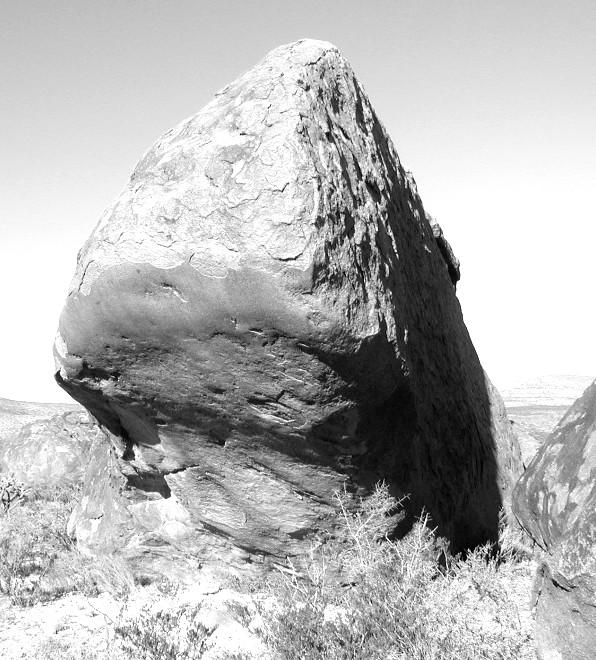 The original citation is found in Matthew. Here it is in context:
Matthew 16: 13-20. When Jesus came into the coasts of Caesarea Philippi, he asked his disciples, saying, Whom do men say that I the Son of man am? And they said, Some say that thou art John the Baptist: some, Elias; and others, Jeremias, or one of the prophets. He saith unto them, But whom say ye that I am? And Simon Peter answered and said, Thou art the Christ, the Son of the living God. And Jesus answered and said unto him, Blessed art thou, Simon Bar-jona: for flesh and blood hath not revealed it unto thee, but my Father which is in heaven. And I say also unto thee, That thou art Peter, and upon this rock I will build my church; and the gates of hell shall not prevail against it. And I will give unto thee the keys of the kingdom of heaven: and whatsoever thou shalt bind on earth shall be bound in heaven: and whatsoever thou shalt loose on earth shall be loosed in heaven. Then charged he his disciples that they should tell no man that he was Jesus the Christ.
Why did Jesus say “Thou art Peter” first? Was it just a play on words, or was he saying that Peter was the rock upon which he would build his church? Most Christians would say that Peter is the rock (nevermind the fact that the Romans killed Peter and buried him and then built the church on his remains a couple hundred years later when they converted). An LDS person would revert back to the larger context of the discussion to say that REVELATION was the rock, a very different meaning indeed. (BRM specifically said this in a 1981 GC talk). So which is more accurate or plausible? Or are they both just a little off?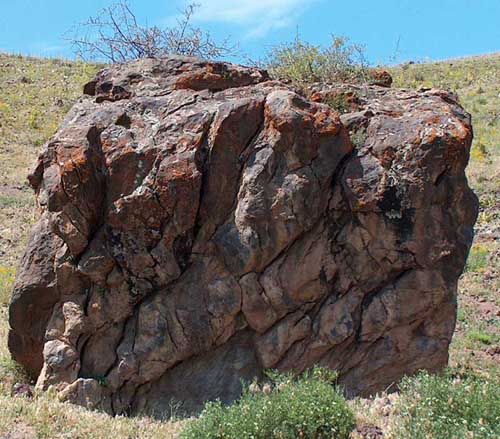
Supporting evidence that “the rock” isn’t Peter:
- Size matters. The word for “Peter” was “petros” meaning stone or little rock (pebble?). The word for “rock” used was “petra” meaning bedrock (Fred Flintstone’s hometown).
- What kind of rock? “Rock” was a nickname Jesus gave Peter (kind of like the wrestler?). His actual name was Simon. JST states that the name he was given was Cephas which meant “seer stone.” So, not just some rock you throw at enemies or whores (hey, it’s the Bible!), but a rock you use for translation or revelation. Is this an accurate translation or wishful thinking on JS’s part? There is certainly Biblical precedent for rocks being used as translators (Urim & Thummim). Was that the intention?
I checked, and rocks are used in many symbolic ways throughout the scriptures. Here’s a laundry list:
- Rock = place of sacrifice (like an altar).
- Rock = wellspring (water springs from a rock).
- Rock = “the Lord” or even someone else’s God is their rock. Figuratively in the same sense, rock is used to mean one’s “salvation” or “defense” (as poetic equivalents for “Lord”)
- Rock = a refuge, a hiding place for people (either in a rock or under a rock); also the Savior’s tomb
- Rock = a place where animals live
- Rock = objects God throws around to demonstrate his power (e.g. “rent in twain” at crucifixion)
- Rock = a good place to build a house
- Rock = a bad place to plant seeds
- Rock = doctrine or gospel
- Rock is molten to make tools or stones that are useful for people.
Almost all of the above can also be symbols that refer back to the Savior, and in fact, that’s another way to interpret the scripture, although not what is usually suggested. Maybe the rock wasn’t Peter but was in fact the Savior’s mission and atonement. It’s a little odd for Jesus to refer to himself in the 3rd person (who knows? maybe he pointed to himself?), but maybe he viewed his mission/atonement as separate from himself in a sense, the way someone might refer to their role or job. Or perhaps the text is just missing something in translation.
Which do you think is more plausible? That the rock is Peter or that the rock is revelation or something else entirely? What is the better rock to build on? Is the text missing something? Was it a clever wordplay that actually made it harder to understand (I hate when that happens!)? Discuss, and rock on!
 Wheat & Tares